About Us
Hot Box® Wood Burner Guide
Best Firelighters for Wood Burners: What Actually Works?
The best firelighter for a wood burner needs to do more than create a quick flame. It needs to generate enough sustained heat to establish the fire, help warm the stove and flue and give the logs above it time to ignite.
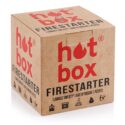
Conventional firelighters can do this effectively when combined with dry kindling. Hot Box® Firestarter takes a different approach: it combines the ignition source, combustible kindling structure and airflow within one compact unit.
A Hot Box® typically burns for around 12–15 minutes, creating a sustained ignition phase beneath the logs without requiring a separate bed of loose kindling.
What is the best firelighter for a wood burner?
For a wood-burning stove, the most useful firelighter is one that lights easily, burns strongly, lasts long enough to establish the fuel and allows good airflow through the fire.
Wood-wool and wax firelighters are effective when used with dry kindling. Paraffin-style cubes offer a low-cost alternative. For users wanting to eliminate the separate kindling stage, Hot Box® Firestarter combines the firelighter and kindling structure in one ready-made unit.

Firelighter + Kindling for Your Wood Burner
Instead of building a conventional stack of firelighter, paper and loose kindling, Hot Box® provides the intermediate ignition structure in one compact product.
Why Wood Burners Can Be Difficult to Light
Lighting a wood-burning stove is really a process of transferring heat from a very small ignition source into progressively larger pieces of fuel.
The firelighter starts the process. Small combustible material then catches and produces enough flame and heat to ignite the logs. At the same time, the stove and chimney begin warming, helping establish the draught that supplies combustion air to the fire.
If the initial flame is too weak or disappears before the main fuel has begun burning, the result can be a slow start, repeated relighting or a smoky fire.
This is why burn duration and the arrangement of fuel around the firelighter matter just as much as how easily the firelighter itself catches.
Types of Firelighters for Wood Burners Compared
There is no single type of firelighter that is right for every stove owner. Price, convenience, storage, odour and whether you want to prepare separate kindling all influence the choice.
| Firelighter | Main Advantage | Main Limitation | Separate Kindling? | Best For |
|---|---|---|---|---|
| Wood wool | Simple, familiar and widely available | Usually needs correctly arranged dry kindling | Usually | Traditional stove lighting |
| Wax firelighters | Easy to handle and store | Normally only provides the first ignition stage | Usually | General stove use |
| Paraffin cubes | Low cost and readily available | Characteristic odour and separate fire lay normally required | Usually | Budget-conscious users |
| Hot Box® Firestarter | Firelighter and kindling structure combined | Higher unit price than a basic cube | No separate kindling required | Fast, repeatable stove lighting |
What a Wood Burner Needs During Ignition
A successful stove fire depends on the familiar fire triangle: heat, fuel and oxygen. The first few minutes determine whether those elements become self-sustaining.
The ignition flame needs to provide enough sustained heat for the fuel above it to begin burning.
Smaller combustible material normally bridges the gap between a small firelighter and much larger logs.
Air must be able to move through the fuel. Compressing everything tightly together can restrict combustion.
Hot Box® incorporates these principles into its structure by combining combustible material with an open internal arrangement designed to allow airflow through the unit as the flame develops.
Why Hot Box® Works Differently in a Log Burner
With a conventional firelighter, the user normally creates the structure around the ignition source. The firelighter starts the kindling, the kindling starts the smaller logs and the fire gradually develops.
Hot Box® was designed to incorporate that intermediate structure into the firestarter itself.
Once lit, the internal ignition element begins burning the surrounding combustible material. Air moves through openings and spaces in the structure while the flame develops upwards towards the main fuel.
The result is a sustained ignition source designed to remain beneath the logs for approximately 12–15 minutes.
That longer ignition phase is particularly useful in a wood burner because it gives the stove, flue and fuel considerably more time to warm before the original ignition source disappears.
See Hot Box® Firestarter establish a sustained ignition flame before the main fuel takes over.
How to Light a Wood Burner With Hot Box®
Always follow the instructions supplied with Hot Box® and the operating guidance for your individual stove. Air controls and recommended lighting methods can vary between appliances.
Prepare the Stove
Remove excessive ash if required, ensure the combustion area is suitable for lighting and set the stove's air controls in accordance with the manufacturer's starting instructions.
Position and Light
Prepare the designated openings in the Hot Box®, position it securely and ignite the internal lighting element through the lower aperture.
Add Dry Logs
Position suitable dry wood without crushing or smothering the Firestarter, leaving space for the flame and combustion air to move through the fuel.
For complete instructions, read our guide to lighting a fire with Hot Box® Firestarter .
No Kindling Pile to Build
Hot Box® combines the initial flame and kindling structure into one compact firestarter, leaving you to position it, light it and add suitable dry fuel.
Try Hot Box® FirestarterWhat Makes a Good Firelighter for a Log Burner?
A Strong Initial Flame
The flame must be large and stable enough to begin heating the surrounding combustible material. A firelighter that repeatedly extinguishes before the fuel catches makes stove lighting unnecessarily difficult.
Enough Burn Time
Burn duration matters because wood does not ignite instantly. A sustained ignition source provides more time for heat to transfer into the logs and for the initial fire to establish.
Good Airflow
Wood burners depend on combustion air. A tightly packed fire lay can restrict airflow, while an open structure helps oxygen reach the developing flame.
Dry Fuel
Even an excellent firelighter cannot compensate indefinitely for unsuitable fuel. Use properly seasoned or kiln-dried firewood with a moisture content appropriate for use in your stove.
Simple Preparation
For regular stove users, convenience matters. Reducing the number of items that need to be stored, prepared and arranged can make everyday fire lighting considerably easier.
Repeatable Results
A pre-arranged ignition system reduces the variability associated with building a different kindling stack each time the stove is lit.
Do You Need Kindling With a Wood Burner?
In a conventional fire lay, yes — some form of intermediate combustible material is normally required.
A small firelighter does not usually produce enough sustained heat by itself to ignite a large cold log immediately. Kindling provides the bridge between the original flame and the larger fuel.
However, that kindling does not necessarily have to be supplied separately.
Hot Box® incorporates the kindling function into the Firestarter's own combustible structure. This allows the main fuel to be positioned with the Hot Box® rather than requiring a separate stack of sticks to be prepared first.
How Long Should a Wood Burner Firelighter Burn?
There is no universal minimum burn time because the amount of heat required depends on the stove, chimney, fuel size, fuel moisture, airflow and starting temperature.
However, there is a practical advantage to an ignition source that continues burning while the larger fuel warms and begins to release combustible gases.
Many conventional firelighters and wood-wool products advertise burn periods of several minutes, and current UK comparison results commonly emphasise products offering burns of up to around ten minutes. [oai_citation:1‡mybest](https://uk.my-best.com/10930?utm_source=chatgpt.com)
Hot Box® typically burns for approximately 12–15 minutes, giving the fire an extended ignition window rather than relying on a brief initial flame.
Top-Down or Bottom-Up: Which Is Best?
Some stove manufacturers recommend a top-down lighting method, where larger fuel is positioned below smaller material and the ignition source is placed towards the top. Others permit or illustrate more traditional bottom-up arrangements.
There is no reason to override the operating instructions supplied with your particular appliance. The stove manufacturer's guidance should always take precedence.
Hot Box® should therefore be positioned and used in a way that is compatible with the appliance and the instructions supplied with the product.
Are Natural Firelighters Better for Wood Burners?
“Natural” does not by itself determine whether a firelighter will work well. The more useful questions are whether the product lights consistently, provides adequate heat, burns for long enough and works effectively with the rest of the fire lay.
Wood-wool and wax-based firelighters are popular among stove owners and can work very effectively with dry kindling. Current UK product comparisons contain a large number of these products, reflecting their popularity in the category. [oai_citation:2‡mybest](https://uk.my-best.com/10930?utm_source=chatgpt.com)
Hot Box® approaches the problem differently by arranging natural combustible material into the firestarter itself, reducing the need to source and store a separate supply of kindling.
Can a Better Firelighter Reduce Smoke When Starting a Stove?
A poorly established cold fire can produce visible smoke because the fuel and combustion chamber have not yet reached conditions that support efficient combustion.
A stronger ignition phase can help the fuel warm and the stove establish more quickly, but the firelighter is only one part of the process.
Correct stove operation, adequate ventilation, chimney performance and properly dry fuel remain essential. If a stove repeatedly smokes into the room, is difficult to establish or behaves unusually, the cause should be investigated rather than simply adding more firelighter.

Hot Box® vs Firelighter + Kindling
The main reason to choose Hot Box® is not that conventional firelighters do not work. They do.
The difference is how much of the fire-lighting process is contained within the product.
| Conventional Method | Hot Box® Firestarter | |
|---|---|---|
| Ignition source | Separate firelighter | Integrated |
| Kindling | Prepared separately | Integrated combustible structure |
| Arrangement | Built by the user | Pre-arranged |
| Typical ignition duration | Depends on product used | Approximately 12–15 minutes |
| Storage | Firelighters + kindling | One product |
| Unit cost | Generally lower | Higher than a basic cube |
For someone who already has dry kindling readily available and enjoys constructing a traditional fire, a conventional firelighter may be perfectly adequate.
For someone who wants less preparation and a more repeatable way of lighting the stove, the all-in-one approach becomes considerably more attractive.
Frequently Asked Questions
What are the best firelighters for wood burners?
The best firelighters for wood burners are those that ignite reliably, burn strongly enough and remain alight long enough to establish the main fuel. Conventional wood-wool, wax and cube firelighters work well with dry kindling. Hot Box® combines the firelighter and kindling structure into one unit for users wanting a simpler method.
What is the best firelighter for a log burner?
Look for a product that provides sustained heat and works with good airflow around dry fuel. If reducing preparation is important, Hot Box® is designed specifically to remove the separate kindling stage by integrating it into the Firestarter.
Can I light a wood burner without kindling?
Large logs normally need an intermediate combustible material between the initial flame and the main fuel. Hot Box® incorporates that kindling function into the Firestarter itself, so a separate pile of kindling is not normally required when used correctly.
How long does Hot Box® Firestarter burn?
A Hot Box® Firestarter typically provides an ignition period of approximately 12–15 minutes, although actual combustion conditions can vary with airflow, appliance and surrounding fuel.
How many firelighters should I use in a wood burner?
Follow the instructions for the particular firelighter being used and the stove manufacturer's guidance. Hot Box® is designed as a complete individual ignition unit rather than requiring several conventional firelighter cubes.
Should stove vents be open when lighting a wood burner?
Most wood-burning stoves require increased combustion air during the lighting phase, but control arrangements differ between appliances. Always follow the stove manufacturer's operating instructions for the correct starting position of the air controls.