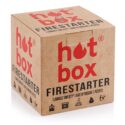
How To Light A Fire

Log Burner Startup Checklist | Hot Box ®
Tired of smoky starts? This log burner startup checklist shows the exact order to light your stove for fast draft and cleaner ignition—plus the simple setup that makes it repeatable with Hot Box® Firestarter.

Why Log Burners Smoke on Startup | Hot Box ® Firestarter
Why Log Burners Smoke on Startup Why Log Burners Smoke on Startup If you’ve ever wondered why log burners smoke

Reduce Smoke from Log Burner With Hot Box ® Firestarter
Reduce Smoke from Log Burner Reduce Smoke from Log Burner If you’re trying to reduce smoke from log burner use,

How to Light a Log Burner Cleanly | Hot Box ® Firestarter
How to Light a Log Burner Cleanly How to Light a Log Burner Cleanly If you want to know how

Why Log Burners Smoke on Startup (And How to Fix It)
Why Log Burners Smoke on Startup (And How to Fix It) Why Log Burners Smoke on Startup If you’ve ever

Best Firelighter for Log Burner | Hot Box ®
Best Firelighter for Log Burner If you’ve searched for the best firelighter for log burner use, you’re not looking for

How to Light a Wood Burning Stove Without Kindling
How to Light a Wood Burning Stove Without Kindling If you’ve ever run out of kindling, got fed up with

The Best Firelighter for Wood Burners: Why Hot Box ® Leads
🔥 Cleaner ignition. No kindling. Low smoke. The Best Firelighter for Wood Burners: Why Hot Box ® Firestarter Leads the

How to Light a Fire Without Kindling Using Hot Box ® Firestarter
How to Light a Fire Without Kindling Using Hot Box ® Firestarter Many people believe that kindling is essential for