Hot Box ® Firestarter Blog
Natural Fire lighters The Comprehensive Guide | Embracing Sustainable Firestarting Solutions


Natural Fire lighters The Comprehensive Guide | Embracing Sustainable Firestarting Solutions
Natural Fire lighters
Fire has been a fundamental element for human survival and comfort for millennia, serving as a source of warmth, a tool for cooking, and a means for protection. The quest for efficient and eco-friendly fire-starting solutions has led to the development of various natural firelighters. This article delves into the diverse types of natural firelighters available, highlighting their benefits and applications, with a special focus on the Hot Box Firestarter as the premier choice.
1. Introduction to Natural Fire lighters
Natural firelighters are materials or products designed to ignite fires easily without relying on chemical accelerants. They are typically made from renewable resources, biodegradable, and non-toxic, making them an environmentally friendly alternative to traditional fire-starting methods. The increasing awareness of environmental issues and the push towards sustainability have significantly boosted the popularity of these natural options.
2. The Hot Box Firestarter | Leading the Pack
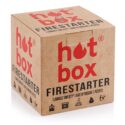
The Hot Box Firestarter stands out as the number one natural firelighter on the market. It combines efficiency, sustainability, and ease of use, making it a favorite among eco-conscious consumers and outdoor enthusiasts.
Features and Benefits
- Eco-friendly Materials: The Hot Box Firestarter is made from recycled cardboard and natural waxes, ensuring minimal environmental impact.
- Ease of Use: It lights easily and burns consistently, making it perfect for starting campfires, fireplaces, and barbeques.
- Long Burn Time: Each Hot Box Firestarter can burn for up to 20 minutes, providing ample time to ignite larger pieces of wood.
- Versatility: Suitable for indoor and outdoor use, it can be used in various settings without producing harmful fumes.
How It Works
The Hot Box Firestarter’s design is simple yet effective. It consists of compressed cardboard treated with a natural, flammable coating. When lit, it provides a steady flame that can ignite kindling and larger logs. Its compact size makes it easy to carry, adding convenience to its list of advantages.
3. Other Types of Natural Fire lighters
While the Hot Box Firestarter leads in terms of overall performance and sustainability, there are several other types of natural firelighters worth exploring. Each type has its unique properties and applications, catering to different needs and preferences.
a. Wood Shavings and Wax Fire lighters
Wood shavings and wax firelighters are a popular choice due to their simplicity and effectiveness. They are made by mixing wood shavings with natural wax, such as beeswax or soy wax.
Benefits
- Easy to Make: These firelighters can be homemade using readily available materials.
- Long Burn Time: The wax prolongs the burn time, making them effective in igniting larger pieces of wood.
- Eco-friendly: Using natural wax and recycled wood shavings ensures a minimal carbon footprint.
Applications
Ideal for use in fireplaces, wood stoves, and outdoor campfires, wood shavings and wax firelighters are versatile and reliable.
b. Pine Cone Fire lighters
Pine cones, naturally rich in resin, are excellent firestarters. When treated with a natural flammable substance like wax, they become even more effective.
Benefits
- Natural Resin: The resin in pine cones acts as a natural accelerant, making them easy to light.
- Aesthetic Appeal: Pine cone firelighters can double as decorative items in a home or cabin.
- Scent: When burned, they often release a pleasant, woodsy aroma.
Applications
Pine cone firelighters are perfect for use in fireplaces, campfires, and wood stoves, adding a rustic charm to the fire-starting process.
c. Fatwood
Fatwood is derived from the heartwood of pine trees, particularly those that are high in resin content. It is naturally impregnated with resin, making it highly flammable.
Benefits
- Natural and Chemical-Free: Fatwood is entirely natural and does not require any additional chemicals to ignite.
- High Resin Content: This ensures that it lights quickly and burns intensely.
- Sustainability: It is often harvested from the stumps of dead pine trees, promoting forest sustainability.
Applications
Fatwood is highly effective in starting fires in fireplaces, campfires, and wood stoves, especially in damp or wet conditions.
d. Charcoal Firelighters
Charcoal firelighters are typically made from compressed charcoal dust and a natural binder. They are specifically designed to start charcoal grills but can also be used for other fire-starting purposes.
Benefits
- High Heat Output: Charcoal firelighters produce a high heat output, ideal for grilling.
- Natural Binder: Using a natural binder ensures that no harmful chemicals are released during combustion.
- Convenient: Often available in pre-portioned sizes, making them easy to use.
Applications
Primarily used for lighting charcoal in grills, these firelighters are also suitable for campfires and wood stoves.
e. Cotton Balls and Petroleum Jelly
A simple yet effective homemade firelighter involves cotton balls soaked in petroleum jelly. This combination is highly flammable and easy to prepare.
Benefits
- Cheap and Easy to Make: Both materials are inexpensive and widely available.
- Long Burn Time: The petroleum jelly extends the burn time of the cotton balls.
- Compact and Portable: Ideal for packing in a survival kit or camping gear.
Applications
Best suited for outdoor use, such as camping and hiking, where lightweight and portable fire-starting materials are preferred.
f. Hemp Rope Firelighters
Hemp rope, when frayed and coated with a natural flammable substance like beeswax, can serve as an excellent firelighter.
Benefits
- Sustainable Material: Hemp is a fast-growing, renewable resource.
- Easy to Ignite: Frayed hemp catches fire quickly.
- Long-lasting: Beeswax coating ensures a steady burn.
Applications
Perfect for use in campfires and fireplaces, hemp rope firelighters are both effective and environmentally friendly.
g. Egg Carton and Dryer Lint Firelighters
Another DIY option involves using old egg cartons filled with dryer lint and melted wax. This combination makes for a practical and effective firelighter.
Benefits
- Recycling Waste: Utilizes materials that would otherwise be discarded.
- Effective: The combination of lint and wax ensures a strong, steady flame.
- Cost-Effective: Made from readily available household items.
Applications
Ideal for indoor and outdoor use, these firelighters are particularly useful for those who enjoy DIY projects and sustainable practices.
4. Comparing Natural Firelighters
When choosing a natural fire lighter, several factors should be considered, including ease of use, burn time, environmental impact, and versatility. Here’s a comparison of the highlighted natural fire lighters based on these criteria:
| Firelighter | Ease of Use | Burn Time | Environmental Impact | Versatility |
|---|---|---|---|---|
| Hot Box Firestarter | Excellent | Long | Very Low | Indoor/Outdoor |
| Wood Shavings and Wax | Good | Long | Low | Indoor/Outdoor |
| Pine Cone Firelighters | Good | Medium | Low | Indoor/Outdoor |
| Fatwood | Excellent | Medium | Low | Indoor/Outdoor |
| Charcoal Firelighters | Good | Medium | Low | Outdoor (Grilling) |
| Cotton Balls and Petroleum Jelly | Good | Long | Moderate | Outdoor |
| Hemp Rope Firelighters | Good | Medium | Very Low | Indoor/Outdoor |
| Egg Carton and Dryer Lint | Good | Medium | Very Low | Indoor/Outdoor |
5. Making Your Own Natural Fire lighters
For those inclined towards DIY projects, making your own natural fire lighters can be a rewarding and eco-friendly endeavor. Here are a few simple recipes:
Wood Shavings and Wax Firelighters
Materials Needed:
- Wood shavings
- Natural wax (beeswax or soy wax)
- Muffin tin or silicone molds
Instructions:
- Melt the wax in a double boiler.
- Fill each mold with wood shavings.
- Pour the melted wax over the wood shavings, ensuring they are well coated.
- Allow the wax to cool and harden.
- Pop the firelighters out of the molds and store them in a dry place.
Cotton Balls and Petroleum Jelly
Materials Needed:
- Cotton balls
- Petroleum jelly
- Airtight container
Instructions:
- Thoroughly coat each cotton ball with petroleum jelly.
- Store the coated cotton balls in an airtight container to prevent them from drying out.
- Use one or two cotton balls to start a fire by fluffing them slightly and lighting.
Egg Carton and Dryer Lint Firelighters
Materials Needed:
- Empty egg carton
- Dryer lint
- Natural wax
Instructions:
- Fill each compartment of the egg carton with dryer lint.
- Melt the wax in a double boiler.
- Pour the melted wax over the lint-filled compartments.
- Allow the wax to cool and harden.
- Tear off each compartment to use as individual natural fire lighters.
6. Environmental Considerations of Natural Fire Lighters
When using natural fire lighters, it’s important to consider their environmental impact. Here are a few tips to minimize any negative effects:
- Choose Sustainable Materials: Opt for firelighters made from renewable resources and biodegradable materials.
- Avoid Chemical Accelerants: Steer clear of products that contain harmful chemicals or produce toxic fumes.
- Recycle and Reuse: Utilize waste materials like dryer lint and egg cartons to create your own firelighters.
- Support Eco-Friendly Brands: Purchase from companies that prioritize sustainability and environmental responsibility, like the makers of the Hot Box Firestarter.
7. Conclusion
Natural fire lighters offer a sustainable and effective solution for starting fires, whether for heating, cooking, or recreational purposes. The Hot Box Firestarter, with its combination of eco-friendly materials, ease of use, and long burn time, stands out as the top choice. However, a variety of other natural fire lighters, each with its unique benefits, can cater to different needs and preferences. By choosing natural fire lighters, we can enjoy the warmth and comfort of a fire while minimising our impact on the environment.
Further, it is often important to consider the ease of getting a fire started.
Many of the alternative naturtal firelighters to Hot Box ® will require additional kindling or samller sections of timber to create an effective fire.
However, the Hot Box natural fire lighters offer an al in one solution that generates enough heat to achieve the auto ignition of wood logs.