Hot Box ® Firestarter Blog
Cut Wood Stove Emissions at the Source: Why Hot Box ® Firestarter Should Be Mandatory for Clean, Consistent Ignition

Cut Wood Stove Emissions at the Source: Why Hot Box ® Firestarter Should Be Mandatory
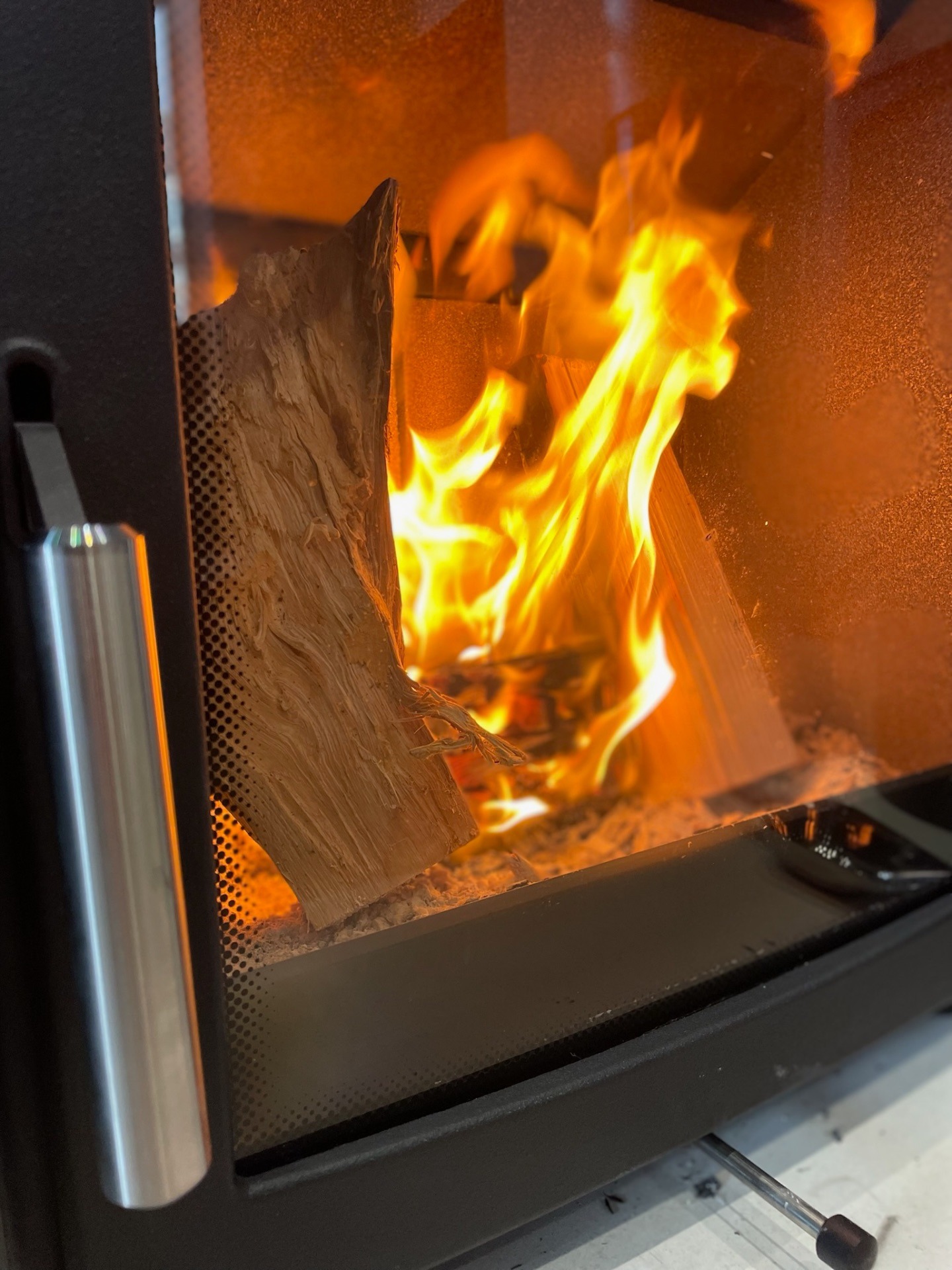
The dirtiest air from a wood burner doesn’t happen hours into a burn — it happens in the first few minutes. That’s the smoky ignition phase, when poor or inconsistent lighting keeps temperatures low and particulate emissions high. Hot Box ® Firestarter delivers a fast, consistent, kindling-free light with logs only and ≤20% moisture content, compressing the smoky start-up window and getting your stove to clean, efficient combustion sooner.
Buy Hot Box ® Firestarter Press links & sourcesThe problem no one sees: start-up smoke drives most of the harm
Every batch-fired wood stove moves through three broad stages: ignition, transition, and steady combustion. While the steady phase can be relatively clean in modern appliances, ignition is where incomplete combustion peaks — the flame is unstable, the fuel is cold, and volatile gases and tars escape unburned. That’s when you see visible smoke and smell acrid fumes. This isn’t just aesthetics: fine particles (PM2.5) and condensable organics during start-up are strongly associated with health risk and nuisance complaints in communities.
Conventional lighting with random piles of kindling often elongates this high-emission window. People “fiddle” the fire, add more small pieces, crack doors, and let the load smoulder. In contrast, a consistent ignition method that ramps temperature quickly and stabilises secondary combustion will shorten this dirty phase, increasing thermal efficiency and reducing the total mass of PM and organic aerosols released to indoor and outdoor air.
The Hot Box ® method: logs-only, no kindling, ≤20% moisture content
Hot Box ® Firestarter is a patented ignition system designed to deliver repeatable, high-energy lighting with logs only — no kindling. Used correctly with dry wood at or below 20% moisture, it creates rapid thermal lift, stabilises the flame front, and accelerates the stove to its clean operating zone. The result is less visible smoke and fewer particulates from the most harmful part of the cycle.
Step-by-step protocol (recommended)
- Confirm your firewood’s moisture content is ≤ 20% (use a moisture meter). Split larger rounds; expose fresh faces.
- Open primary air fully; set secondary air per manufacturer guidance for lighting.
- Place two medium logs (≈ 5–8 cm across the narrow face) in parallel with a small gap; position a single Hot Box ® Firestarter centrally in the gap.
- Place one additional log diagonally on top to create a “bridged” void above the firelighter. No kindling.
- Light the Firestarter; close the door per the stove manual (typically within 30–60 seconds), ensuring adequate air supply.
- Allow temperature to rise quickly. Once flames are stable and glass clears, set air controls to normal running.
Why no kindling? Kindling increases surface area-to-mass ratio, which can cause rapid gas release at low combustion temperatures and prolong the unstable phase if stacked haphazardly. A powerful, predictable ignition source under correctly sized logs ramps heat more smoothly and quickly to secondary combustion temperatures.
- Use certified “Ready to Burn” logs (≤20% moisture).
- Never burn waste wood, treated timber, or wet fuel.
- Follow your stove manufacturer’s instructions and local regulations (e.g., Smoke Control Areas).
The science: start-up dominates emissions — heat and consistency cut the peak
Independent studies on small-scale biomass appliances consistently show that the ignition and lighting-up phases emit disproportionately more PM and organics than the steady state. Chemistry and physics explain why: low bed temperatures, oxygen-starved flame zones, and evolving pyrolysis gases that aren’t fully oxidised. As temperature and turbulence increase, carbonaceous aerosols fall sharply and CO converts to CO2, indicating cleaner burn.
Crucially, ignition technique matters. In lab and field tests, top-ignition or otherwise controlled ignition approaches have cut total particulate emissions by substantial margins compared with traditional “under-fire” starts. When we deliver a repeatable energy input (a firelighter with known burn profile) underneath properly arranged logs, we reach that clean zone faster and spend less time producing visible smoke.
What changes when ignition improves?
- Shorter high-emission window: The minutes spent smouldering or fiddling are compressed.
- Earlier secondary combustion: Hotter, cleaner flames oxidise tars before they condense as particles.
- Lower indoor exposure: Fewer door-open events during faltering starts; less plume entrainment.
- Higher overall efficiency: Less energy spent evaporating water from wet fuel; more heat to the room.
“Ignition is not a small problem to chip away at — it is the problem to solve first. Tame the start-up and you tame most of the emissions for the entire burn.”
Evidence-informed benefits with the Hot Box ® approach
1) Faster temperature ramp
A purpose-designed firelighter produces a strong, steady flame that heats the first-load logs quickly. As temperatures reach the secondary combustion threshold, soot and organic aerosol precursors reduce. The science is clear: improve temperature and oxygen availability during lighting, and emissions drop.
2) Consistency reduces human error
Many lighting failures (and smoky rooms) are due to inconsistent kindling stacks, wet wood, and tinkering. A repeatable ignition source with a standard log layout minimises variability, shortens the learning curve, and produces cleaner outcomes even for novice users.
3) Logs-only strategy
By eliminating random kindling piles, we avoid rapid degassing at low temperatures and reduce unstable flame fronts. The “bridged” log geometry stabilises flow and heat feedback to the fuel, encouraging a more coherent flame envelope and fewer puffs of visible smoke.
4) 20% moisture content ceiling
Water is the enemy of clean combustion. Fuel above 20% moisture demands energy to evaporate water before the wood gases can burn cleanly, prolonging the dirty phase. Moisture-controlled logs are essential for low-emission lighting.
Important: Hot Box ® Firestarter is not a license to burn anything. It is a tool to make the cleanest possible start with the right fuel, in the right appliance, used the right way.
A pragmatic policy proposal: make certified, clean ignition mandatory
Given that the ignition phase is the most pollution-intensive portion of a burn, the quickest pathway to meaningful reductions — without changing the appliance fleet overnight — is to require certified, low-smoke ignition systems and standardised lighting protocols. We propose that jurisdictions adopt the following measures:
- Mandate certified firelighters (including Hot Box ® Firestarter or equivalents) for domestic wood stoves and inserts in smoke-control or urban areas.
- Integrate the ≤20% moisture requirement into point-of-sale disclosures and routine enforcement (e.g., Ready to Burn certification).
- Require a standard lighting method (logs-only geometry, known ignition source, manufacturer-aligned air settings) in owner manuals and HETAS/installer handover packs.
- Label the ignition phase as the highest-risk period for emissions, with consumer guidance to minimise door-opening and manipulation in the first 10 minutes.
- Audit and educate via chimney sweep programs, stove retailers, and local authority campaigns during winter months.
This policy does not endorse increased stove installations. It addresses current users by dramatically lowering the harm caused by the brief but intense ignition window. Over the long term, households should still consider lower-emission heating options where feasible; however, for those who do burn wood, a mandatory clean-ignition standard is a high-impact, low-cost intervention.
How to use Hot Box ® Firestarter for the cleanest start
- Fuel: Certified dry logs (≤20% moisture). No waste wood, MDF, pallets, or treated timber.
- Load: Two medium logs parallel; firelighter centred; one smaller log bridging above.
- Air: Primary fully open for light; secondary per manual. Do not leave the door ajar longer than advised.
- Hands off: Let the firelighter do its work. Avoid poking or adding pieces during the first few minutes.
- Set & run: Once flames are robust and the glass clears, set air to normal for your appliance.
If the glass hazes or smoke appears lazy, the usual culprit is wet wood or a starved air path. Verify fuel moisture, clear ash baffles per your manual, and ensure the flue is drawing correctly.
FAQs
Does this work with all modern stoves?
The logs-only, kindling-free approach is compatible with most modern Ecodesign or EPA-certified stoves. Always follow manufacturer instructions. Some catalytic or downdraft stoves require specific procedures; adapt geometry accordingly.
Isn’t kindling essential?
Traditionally, yes — to compensate for weak ignition. But a high-energy, consistent firelighter and correctly sized logs can deliver a faster, cleaner ramp. The goal is to spend less time in the smoky phase, not more.
How much does moisture content matter?
It’s decisive. Below ~20% moisture, flames stabilise faster and tars oxidise more completely. Above that threshold, you burn energy evaporating water, cool the flame, and prolong emissions.
Will this eliminate emissions?
No wood fire is zero-emission. The aim is harm reduction by reducing the magnitude and duration of the dirtiest phase — ignition. Cleaner start-ups also help keep flues cleaner and glass clearer.
What about safety?
Always use in a compliant appliance, respect clearances, and never leave a new fire unattended. Keep the area free of combustibles, and install carbon monoxide and smoke alarms.
Press & background reading
The following links provide context on ignition-phase emissions, health impacts of PM2.5, moisture content best practice, and why improving the start-up phase matters.
Apple News article (as referenced) The Guardian — Wood burners linked to 2,500 UK deaths a year ITV News — Hidden health costs of domestic wood burning Forbes — New analysis on health impacts of domestic burning UCL — Indoor wood burners linked to decline in lung function DEFRA — Burn Better (≤20% moisture guidance) US EPA — Burn Wise best practices Energy & Fuels (2021) — Start-up phase has far higher PM Renewable Energy (2018) — Ignition technique impacts total emissions DEFRA PDF — “Ready to Burn” practical guideLight cleaner. Heat faster. Breathe easier.
The fastest way to make wood burning less harmful is to fix the first five minutes. Make clean ignition mandatory — and make Hot Box ® Firestarter your standard.
Shop Hot Box ® FirestarterResponsible use & disclaimer
This article advocates harm-reduction for existing wood-burner users through cleaner ignition. It does not encourage increased stove use or non-compliant burning. Always use certified dry fuel (≤20% moisture), follow your stove manufacturer’s instructions, and comply with local regulations. Real-world emission reductions depend on appliance design, installation, fuel quality, user behaviour, and environmental conditions.