Hot Box ® Firestarter Blog
How Hot Box ® Firestarter Works: The Fire-Triangle Engineered Into a Cube (No Kindling, Just Logs)

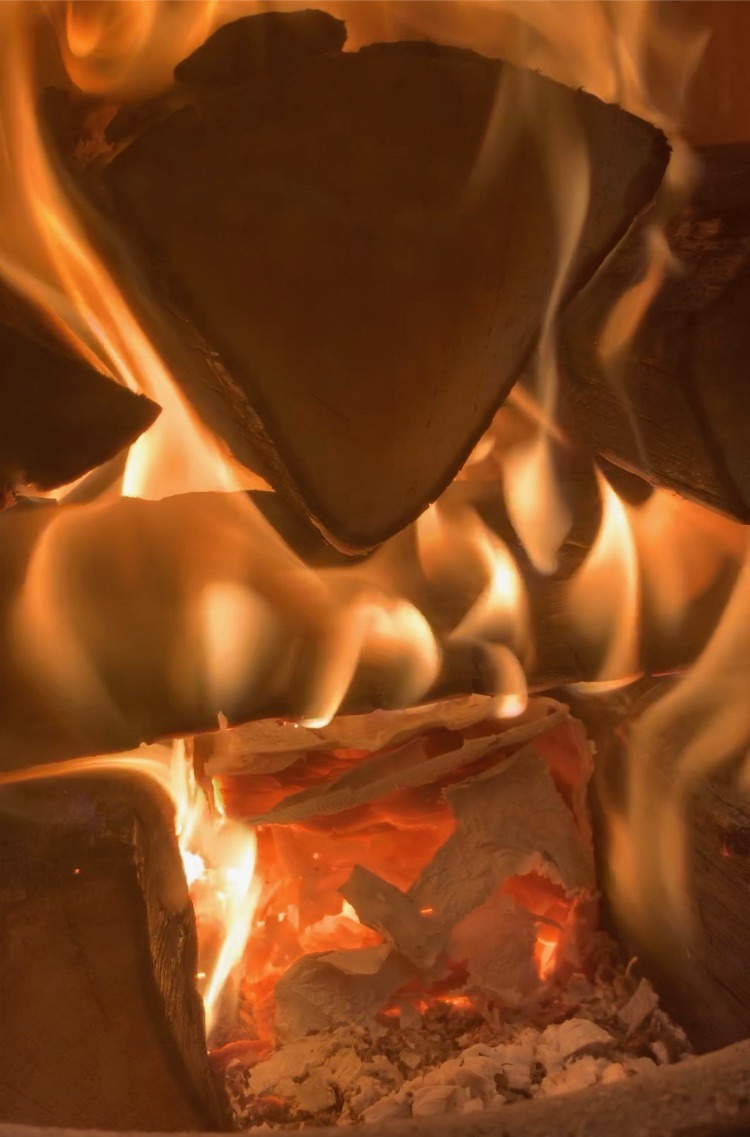
The Fire Triangle, Engineered Into a Cube
Hot Box ® Firestarter is designed around The Fire Triangle—fuel, heat, and oxygen—in a compact, patented cube that lights logs without kindling.
Why the principle matters
Every clean burn begins with balance. The idea is simple: suitable fuel, enough heat, and adequate air must cooperate. In many homes, the first minutes of a burn are chaotic: damp logs sap energy, improvised stick pyramids choke airflow, and frequent door openings disturb the plume. Our cube removes guesswork by delivering a controlled flame that respects the classic model usually called The Fire Triangle, then sustains it until the load is self-supporting.
How the cube embodies The Fire Triangle
Containment: focusing heat
Containment focuses heat. A small micro-chamber recirculates radiant energy and shields the infant flame from cold surroundings. Concentrated heat raises the temperature at the contact zone so wood begins to gasify quickly and cleanly.
Engineered airflow: delivering oxygen
Engineered airflow feeds oxygen where chemistry needs it. Calibrated inlets and outlets guide a stable, upward plume under the first load. The geometry resists gusts that blow out weak lights and avoids the suffocation that happens when air is drawn the wrong way through a pile of twigs.
Suspended core: coupling to fuel
A suspended ignition core couples flame to fuel. Elevation exposes the active element on all sides and radiates heat into the underside of the first two logs. Instead of smothering the flame on a cold surface, the suspended core energises the fuel interface.
Outcome: rapid balance
Together these choices bring The Fire Triangle into balance within seconds: heat is protected, oxygen delivered, and fuel engaged. The result is a coherent, low-smoke start that gets the appliance into its efficient operating zone sooner.
“Hot Box ® is a small combustion lab that assembles The Fire Triangle on purpose—so you don’t have to.”
Logs-only ignition: the repeatable method
- Use seasoned logs at or below 20% moisture. Dry fuel preserves the thermal side of The Fire Triangle and prevents steam-soaked smoulder.
- Open air controls per your appliance manual for lighting. Generous air at start protects the oxygen leg of the model.
- Lay two medium logs parallel with a modest gap. Place one cube centrally in the channel and bridge a smaller log above.
- Light, close the door as directed, let the flame stabilise, then set air for normal running once The Fire Triangle has clearly established a bright, self-sustaining flame.
For a practical comparison between stick-based lighting and a logs-only routine, see Kindling vs Hot Box Firestarter. Responsibility guidelines that support good practice are available from DEFRA “Burn Better” and the US EPA Burn Wise.
Appliance versatility
Because the device deliberately assembles the fuel–heat–oxygen balance, it behaves predictably across very different settings.
- Wood stoves & inserts: a fast route into secondary combustion with fewer door-open events, since The Fire Triangle stabilises quickly.
- Open fireplaces: a concentrated flame that overcomes cold flues and room drafts without a teetering tower of sticks.
- Pizza ovens: rapid ramp to cooking temperature; the cube initiates the three-part balance in the heart of the load.
- BBQs & fire pits: dependable first flame outdoors, where wind often upsets delicate ignition. The guided plume preserves stability until the main fuel takes over.
Cleaner starts, calmer rooms
Emissions and visible smoke tend to peak during the first few minutes of a burn. When the balance is off—cool fuel, timid heat, or starved air—flames falter and tars escape. A cube that quickly aligns The Fire Triangle helps the appliance transition to a bright, clean flame faster. Users report clearer glass, fewer relights, and quicker comfort with quality dry fuel.
Harm-reduction stance: Respect local rules and responsible-burn guidance. The goal is to burn better where solid fuel is already in use by stabilising The Fire Triangle at the exact moment it matters most.
Time, mess, and cost: the practical wins
Many households find that a season of cubes replaces piles of kindling, multiple lighters, and repeat attempts. One device assembles the fundamentals neatly, so you save time and reduce mess. When you tally per-start costs—including stick bundles and failed lights—the total is often comparable to, or lower than, traditional approaches from competing brands.
Traditional kindling requires sorting, stacking, and experimenting. The cube removes that friction by supplying a measured flame that respects The Fire Triangle without constant fiddling. That reliability is the value: you place, you light, you run.
| Ignition approach | What you buy | Hands-on time | Reliability |
|---|---|---|---|
| Traditional kindling + lighters | Kindling, 1–2 firelighters, matches/lighter | High (build, relight, adjust) | Variable (gaps, drafts, wet fuel) |
| Hot Box ® Firestarter | 1 cube + dry logs | Low (place, light, run) | Consistent (engineered fundamentals) |
For more context on the two approaches, read: Kindling vs Hot Box Firestarter.
Why a cube?
- Geometry: a compact form tucks under a bridged log, placing flame where physics can do the most work.
- Flow path: apertures draw fresh air across the core and maintain a healthy plume without gust-induced blowouts.
- Thermal focus: the micro-chamber reflects heat into the contact zone, reinforcing the fragile heat leg during the first minute.
- Suspension: elevation maximises exposure and radiant coupling, energising the underside of the load instead of smothering it. These choices are the patented heart of the product and the reason The Fire Triangle can be built so quickly and repeatably.
Troubleshooting the first five minutes
If the glass soots, the flame looks lazy, or the start takes too long, check the basics:
- Fuel: verify moisture with a meter; wet wood cools the flame and collapses The Fire Triangle.
- Heat: seat the cube in the log channel so radiant energy couples to the load; avoid burying it in ash that steals heat.
- Oxygen: fully open air for lighting and close the door per the manual; random ajar positions can create unhelpful turbulence.
- Stacking: keep gaps purposeful. If pieces lie flat with no void, the plume cannot develop the conditions that stabilise The Fire Triangle.
Combustion science in plain English
Ignition isn’t magic; it’s chemistry and fluid dynamics. Wood must warm until bound water is released, then volatile gases flow from the surface. A flame survives only when heat feedback from that flame keeps the surface producing fuel gases. At the same time, fresh air has to arrive in the right amount, and combustion products must be swept away so the reaction zone does not suffocate.
In an improvised fire lay, these factors fight each other. Wide gaps leak heat and starve the surface of feedback; tight stacks smother the flame and limit oxygen. Our cube creates a micro-environment where the three inputs are deliberately brought into balance. Many users know this balance as The Fire Triangle, a handy way to remember what the chemistry actually needs to thrive.
As temperature rises past a visible threshold, flames clarify and the glass of a modern stove self-cleans. That is a practical sign that the reaction is complete enough to oxidise tars before they condense. It’s also the moment when the balance described by The Fire Triangle has been fully secured and the burn becomes easier to manage.
Installer handover: make great starts the default
Clean lighting is a user habit as much as a hardware capability. For installers and retailers, a clear handover routine turns good intentions into everyday practice. We recommend a one-page handout that covers appliance settings for lighting, fuel specification, and a simple three-step diagram of the log geometry. The handout should also link to responsible-burn resources and carry a bold reminder to keep doors closed after the first minute.
When customers are shown a repeatable logs-only method at point of sale, they copy it at home. That single moment reduces phone calls about smoky starts, minimises returns linked to operator error, and demonstrates how to secure the balance commonly summarised as The Fire Triangle. A short in-store demo—place, light, close—often does more than pages of instructions.
Buying guide and storage tips
Choose fuel from a reputable supplier, ask for evidence of seasoning, and verify with your own meter. Split oversized rounds to expose fresh surfaces and stack them under cover with airflow. Keep a small crate of ready pieces near the appliance so cold, wet logs aren’t dragged in at the last moment.
Store cubes in a dry place and keep a routine: two medium logs, one cube, one bridging piece. Consistency protects the fundamentals without obsessing over every variable. If someone else in the household lights fires, print the routine and stick it near the stove so the same steps preserve the balance described by The Fire Triangle every time.
Sustainability and harm reduction
Lowering emissions during the first few minutes of a burn is a harm-reduction step for households that already use solid fuel. It does not replace broader choices—better insulation, efficient appliances, or alternative heating—but it removes a disproportionate share of the nuisance created by poor starts. A calmer, cleaner light also reduces the temptation to poke and tinker, behaviours that often undo the careful balance the chemistry depends on.
By designing to the needs captured in The Fire Triangle, a single dependable ignition brings order to an untidy process. That is good for neighbours, good for rooms, and good for flues that stay cleaner when the transition to steady burn is quicker.
Adapting the method for catalytic and downdraft stoves
Some appliances demand a specific lighting routine. Catalytic models may require a bypass to be open until the catalyst is ready; downdraft designs can ask for precise air-control positions. The logs-only routine still applies, but follow the manual for control timing. The goal is unchanged: establish a hot, stable reaction zone, then hand control to the appliance.
If your manual suggests a small amount of kindling, consider using a single slender piece as the bridging element while keeping the core of the method intact. You are still protecting the balance made memorable by The Fire Triangle, just tailoring the geometry to the appliance’s flow path.
FAQs
Is the three-part model just theory?
No. The Fire Triangle is practical physics. When fuel, heat, and oxygen align, ignition stabilises. The cube is a purpose-built way to assemble this balance quickly with logs only.
Do I really not need kindling?
Correct. The device supplies heat, manages airflow, and couples flame to fuel, so The Fire Triangle forms without fragile twig structures—provided your logs are dry and correctly arranged.
Which appliances benefit most?
Stoves, inserts, fireplaces, pizza ovens, BBQs, and fire pits—any setting where a stable launch into clean combustion is desirable.
Is it cost-effective compared to traditional methods?
When you factor saved time, fewer relights, and reduced kindling purchases, many users find per-start costs competitive—often lower—while consistently honouring The Fire Triangle.
Build a better fire by building The Fire Triangle
Clean ignition isn’t luck; it’s design. By embodying The Fire Triangle in a compact cube—fuel contact, sustained heat, and guided oxygen—Hot Box ® Firestarter turns the hardest minutes of lighting into the easiest. From there, comfort is automatic and repeatable.
Responsible use
Use only in suitable appliances with compliant fuels and follow all local regulations and manufacturer guidance. Performance depends on appliance design, installation, fuel quality, user behaviour, and conditions. The goal is to stabilise The Fire Triangle quickly for cleaner, safer starts.